Speakers

Keynote Speakers

Arpit Tandon

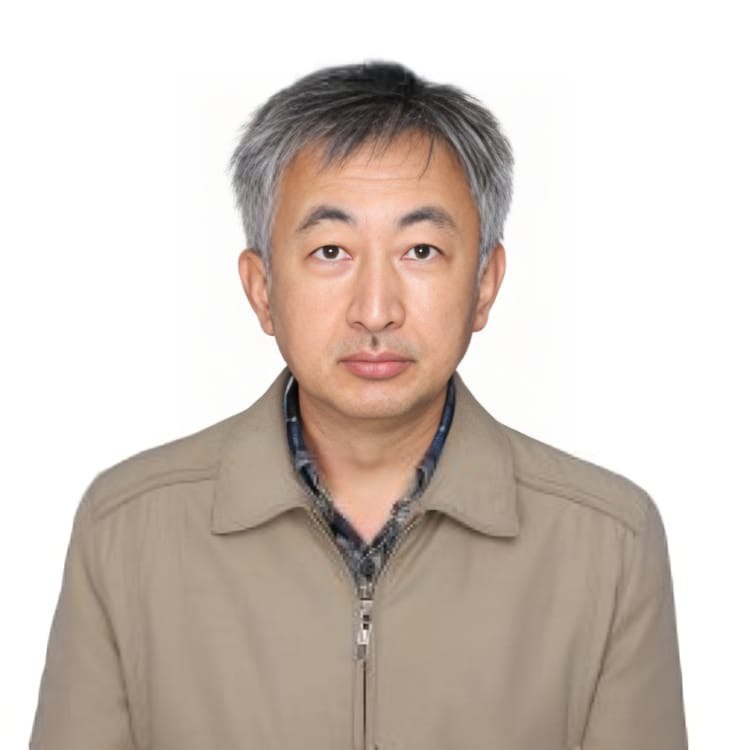
Dr. Hong Lin
Professor
Department of Computer Science
University of Houston

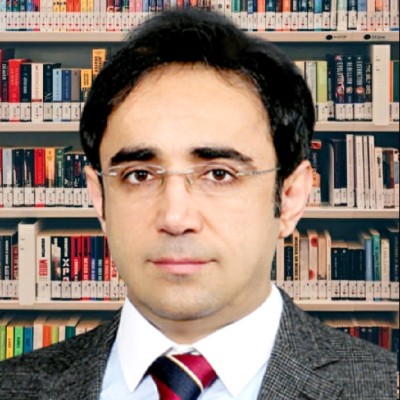
Dr. Jalil Piran
Associate Professor
Department of Computer Science and Engineering
Sejong University
Seoul, South Korea
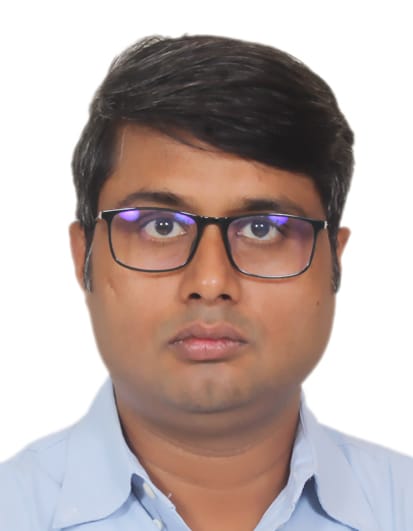
Mr.Harneet Singh
Dr.Kamal Das

Dr. Kamal Das
Dr. Kamal Das, a distinguished Research Scientist at IBM Research, is renowned for his pioneering work at the nexus of physical models, AI, and real-world data across diverse domains such as natural resources extraction, renewable energy, and precision agriculture. Noteworthy contributions include developing a parallel 3D stress simulator for O&G reservoirs, designing scalable Precision Agriculture solutions like the High-Resolution Soil Moisture (HDSM) system, and advancing soil carbon estimation through multimodal data fusion techniques.
Additionally, he leads efforts in regional production risk assessment integrating extreme weather events and modernizing renewable energy forecasting for enhanced accuracy. Dr. Das's expertise extends to mapping atmospheric CO2 using remote sensing and AI, supporting sustainable planning and management. Recognized for his achievements with numerous awards, patents, and a prolific publication record, Dr. Das continues to drive innovation and push the boundaries of scientific research.
Invited Speakers

Prof. Dr. Francesco Flammini

Prof. Dr. Francesco Flammini
Prof. Francesco Flammini is a highly accomplished Computer Engineer with an impressive academic and professional background. He earned his M.D. in 2003 and PhD in 2006 from the University of Naples Federico II, Italy. Over 15 years, he has contributed significantly to both private and public sectors. Prof. Flammini held pivotal positions at Ansaldo STS (now Hitachi Rail) and IPZS (Italian State Mint and Polygraphic Institute), where he led international projects in intelligent transportation, critical infrastructure protection, and cybersecurity.
Since 2020, he has been a Full Professor of Computer Science at Mälardalen University, Sweden, specializing in Cyber-Physical Systems. He also leads the RAILS EU funded research project, focused on advancing Artificial Intelligence for smart railways. Additionally, he serves as a Professor of Trustworthy Autonomous Systems at the University of Applied Sciences and Arts of Southern Switzerland, affiliated with the prestigious Dalle Molle Institute for Artificial Intelligence (IDSIA).
Before his current roles, Prof. Flammini played a vital role as a Senior Lecturer and chaired the dynamic Cyber-Physical Systems (CPS) environment at Linnaeus University in Sweden. Beyond academia, he holds distinguished positions within the IEEE, serving as a Senior Member and Member-at-Large of the IEEE SMC Board of Governors. His extensive impact is reflected in his 150+ technical publications and influential roles in international conferences and journals.

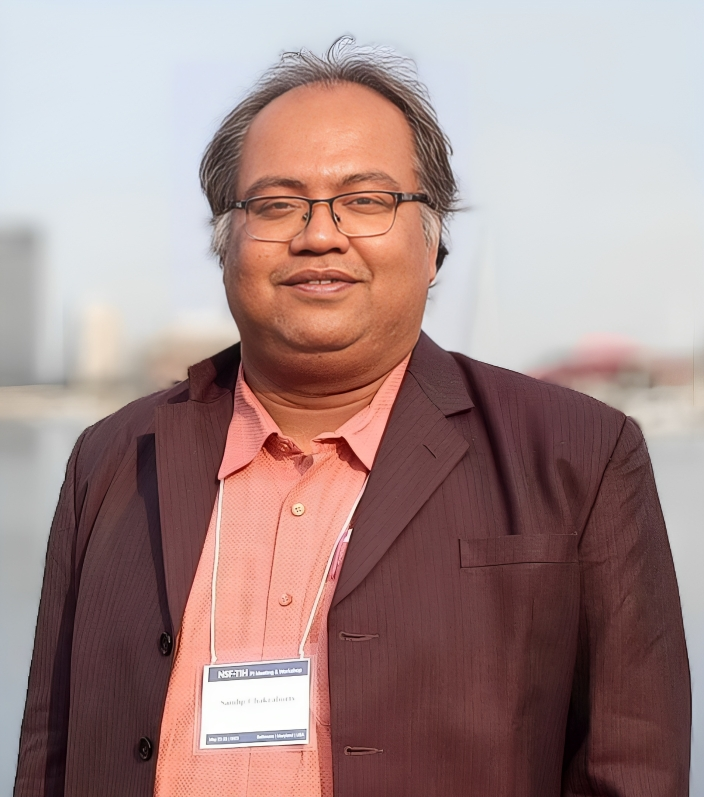
Dr.Sandip Chakraborty
Dr. Sandip Chakraborty is an Associate Professor in the Department of Computer Science and Engineering at the prestigious Indian Institute of Technology (IIT) Kharagpur. He earned his Bachelor of Engineering (BE) from Jadavpur University, Kolkata in 2009, followed by a Master of Technology (M Tech) and a Doctor of Philosophy (Ph.D.) from IIT Guwahati in 2011 and 2014, respectively.
Dr. Chakraborty's research spans computer systems, human-computer interaction, and machine learning, addressing both technical advancements and societal needs. He leads the Ubiquitous and Networked Systems Lab (UbiNET) at IIT Kharagpur, focusing on computer systems and pervasive sensing systems.
He actively participates in professional organizations like the COMSNETS Association, India, IEEE COMSOC, ACM SIGCOMM, and ACM SIGMOBILE, including his founding membership in ACM IMOBILE, the Indian chapter of ACM SIGMOBILE. Dr. Chakraborty's influence extends to his role as an Area Editor for esteemed journals such as Elsevier Ad Hoc Networks and Elsevier Pervasive and Mobile Computing, highlighting his significant contributions to the academic discourse in computer science and engineering for societal betterment.

Dr. Hong Lin